A guide to different types of tiles, to help you choose for your project
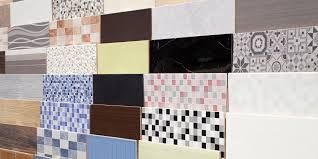
Choosing the right tiles for your home is one of the most significant decisions in a renovation. Whether you are transforming a high-traffic kitchen floor or a moisture-heavy bathroom, the choice of material, finish, and precision impacts not just the look, but the longevity of the project. At Hunter Tiling, with over 25 years of experience, we have seen how the right quality tile can elevate a space from "standard" to "luxury."
1. Match the Material to the Environment
The first rule of quality is choosing the correct material for the job.
- Porcelain: This is the "gold standard" for floors. It is fired at higher temperatures than ceramic, making it denser, less porous, and incredibly durable. For areas like Chelmsford or Epping where homes often feature open-plan kitchen extensions, porcelain is the best choice for longevity and scratch resistance.
- Ceramic: While excellent for bathroom walls, ceramic is generally softer. If used on floors, ensure it has a high PEI (Porcelain Enamel Institute) rating to ensure it can handle foot traffic without cracking or wearing down.
2. Understanding "Rectified" Tiles
One of the most common questions we get asked is: "What is a rectified tile, and why does it cost more?"A rectified tile has been mechanically finished on all sides to achieve a precise, 90-degree angle. During the firing process, tiles naturally shrink and warp slightly, meaning "non-rectified" tiles can vary by a few millimeters in size. A rectified tile is cut to an exact dimension after firing.Why does this matter? Because the tiles are perfectly uniform, your tiler can use much thinner grout lines (as small as 1.5mm or 2mm). This creates a seamless, "slab-like" appearance that is highly sought after in modern, high-end designs. If you are investing in large-format floor tiles for a sleek finish in a Loughton or Bishop’s Stortford home, always opt for rectified porcelain.
3. Slip Resistance (The R-Rating)
In a bathroom, safety is as important as style. Quality tiles are rated by an "R-Value" for slip resistance.
- R9 & R10: Ideal for dry areas like living rooms or hallways.
- R11 & Above: These have a more textured "anti-slip" finish, making them essential for wet rooms, walk-in showers, or even outdoor patios. When choosing a bathroom floor tile, don't just feel it with your hand—imagine it wet and soapy.
4. Check the Batch and Caliber
Even high-quality tiles can have slight variations in shade between production runs. When buying, ensure every box has the same Batch or Tone Code. Additionally, check the Caliber Code, which refers to the precise size. Mixing batches can lead to a "patchwork" look where the colors don't quite match or the grout lines don't align.
5. Large Format vs. Intricate Patterns
Large-format tiles (e.g., 600x1200mm) are currently the top choice for floors because they make small rooms feel larger and are easier to clean. However, for a classic Victorian hallway in areas like Ongar, smaller mosaic tiles are better for quality as they allow for intricate patterns and follow the natural contours of older floors.ConclusionQuality is an investment. By choosing a rectified porcelain for your floors and a high-rated anti-slip tile for your bathroom, you ensure your home stays beautiful for decades. If you’re unsure, we always recommend ordering a sample and testing it in your home’s natural light before committing to a full pallet.